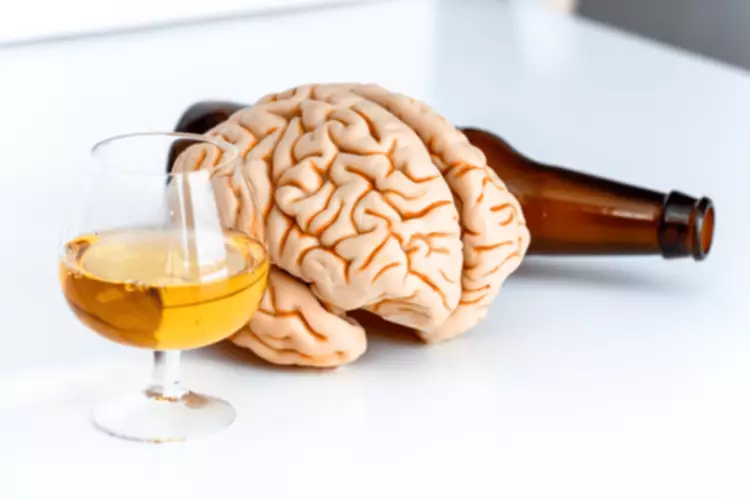
It is important to note that weed affects each person differently, so some people may experience depressant effects more, while others may experience the stimulant effects or hallucinogenic effects to a greater extent. Depressants are a broad category of drugs that decrease activity in the central nervous system and slow down messaging between the mind and body. As a result, depressant drugs make a person feel calm, relaxed, soothed, and drowsy.
An overdose can be reversed if overdose reversal medications, including naloxone (sometimes sold as Narcan®), are given quickly. An overdose can be reversed if overdose reversal medications, including naloxone (sometimes sold as Narcan®) are given quickly. Given the high risk of physical and psychological dependence on stimulants and depressants, many of these drugs are Schedule II substances that are tightly regulated to prevent misuse. CNS depressant medications work to depress the central nervous system, which slows down brain activity and causes your muscles to relax. It only becomes a problem when the medications are taken in excess, resulting in excessive central nervous system depression. Another telling sign of abuse is mixing CNS depressants with other drugs, including opioids and alcohol, to increase their effects.
How does ketamine make people feel?
A simple conversation, a kind gesture, or even a piece of clothing can spark meaningful change. Whether you’ve seen someone sporting a “mental health matters hoodie” or wondered about its… In today’s fast-paced world, mental health has become a pivotal focus for many individuals seeking balance and well-being. With increasing awareness and dialogue surrounding mental health, the need for effective counseling services has never been more crucial. Promoting healthy practices, such as regular exercise, balanced nutrition, and stress management, can help individuals manage symptoms and reduce the risk of relapse.
How does codeine make people feel?
Never stop taking your medication and never change your dose or frequency without consulting your doctor. CNS depressants are mainly used to treat sleep disorders such as narcolepsy. Proper what is a central nervous system depressant use (taking these drugs under medical supervision and as prescribed) can help you benefit from their positive effects while protecting you from serious adverse effects and the risk of addiction. People who misuse or abuse depressants do so to experience euphoria (a sense of well-being or calmness), to increase the effects of other drugs, or to deal with the side effects of other drugs. Some depressants, such as GHB and Rohypnol, are used to facilitate sexual assaults by making the victim less combative.
Sonata and Ambien are two types of sleeping medication that are CNS depressants. Although they have a lower risk of dependency than other CNS depressants, long-term use may cause the condition. In vitro studies on cellular uptake kinetics revealed a notable slower uptake of supermeres compared to small EVs (sEVs). However, upon in vivo administration, supermeres showed higher in vivo uptake efficiency than both exomeres and sEVs. Moreover, supermeres were found to be capable of crossing the BBB, while exomeres displayed limited BBB penetration and brain absorption capabilitiens 16, 71.
How does heroin make people feel?
Opioids are often misused and used recreationally, making them one of the leading causes of CNS depression. Some common types of opioids typically prescribed for severe pain include Vicodin and Percocet. You might experience mild CNS depression from the prescribed use of CNS depressants or severe CNS depression from the misuse of CNS depressants, traumatic brain injury, or certain other conditions. In EP-based therapies, strategies such as surface ligand coupling, cargo optimization, and biomimetic design have enhanced the potential efficacy of engineered EVs and Vault particles for the treatment of CNS disorders. These innovations not only promise to overcome BBB limitations, but also pave the way for precise, cell-specific interventions in regenerative medicine and immunomodulation 20, 28.
Your central nervous system is made up of your brain and spinal cord and controls functions like your blood circulation and digestion. To our knowledge, the first reported molecular delivery vehicles for receptor cell therapy were exogenous siRNA piggybacked EVs 184. Zhang et al. loaded purified exosomes with exogenous BACE1-siRNA (a therapeutic target for AD) using electroporation at 400 V and 125 µF, achieving a loading efficiency of approximately 50% for the siRNA 185. In addition to nucleic acid cago, exogenous therapeutic proteins can also be directly loaded into the lumen of EVs.
Is there any way to prevent CNS depression?
The CNS is responsible for processing and controlling most of our bodily functions, and consists of the nerves in the brain and spinal cord. If you experience any of these effects after taking a depressant, seek immediate medical attention or call 911. Barbiturate use has also declined due to the risk of certain side effects. Negative effects of barbiturates include impaired memory, judgment, and coordination, along with increased feelings of irritability, paranoia, and suicidal ideation.
Other risks include mood disorders, and problems with impulse control. In teens, tobacco use may cause changes to the development of the parts of the brain that control attention and learning. Tianeptine is not an opioid, but at high doses it can have opioid-like effects, such as dangerous drops in blood pressure, heart rate, or breathing. People who use synthetic cannabinoids may develop a cannabis use disorder.
- Barbiturates are drugs typically used to treat anxiety and sleep disorders.
- Most anticonvulsants, like lamotrigine and phenytoin, are depressants.
- A novel mechanism involving two enzymes (neutral sphingomyelinase 2 and acid sphingomyelinase) that regulate ceramide production, linking filopodia-derived ectosomes secretion to neurodegenerative processes 59.
Find more top doctors on
In healthy individuals, activities such as eating a delicious meal or having sex activate the brain’s reward system, leading to the release of dopamine and resulting in feelings of pleasure. But when a person abuses stimulant drugs, the drugs cause a surge in dopamine and norepinephrine neurotransmitters. When drug use is repeated, the cycle repeats, reinforcing the link between drug use and euphoria. People should take depressants if they have been advised to do so by their healthcare provider.
- These are chemically different from other CNS depressants, but they work by stimulating the same inhibitory neurotransmitter, GABA.
- Several substances can depress the CNS, ranging from anti-anxiety and sleep medications to so-called recreational drugs, such as heroin.
- Vault particles, the earliest discovered subtype of NVEPs, are recognized as versatile and innovative drug delivery platforms due to their robust structure, biocompatibility, and lack of immunogenicity.
They are commonly prescribed to treat conditions such as anxiety, insomnia, and seizures. At PMHC in Philadelphia, we believe in educating our patients about the effects of these medications. In this blog, we will explore how depressants affect the CNS and their impact on overall health.
Medically supervised detoxification can help a person stay comfortable and safe during withdrawal from stimulant or depressant drugs. If you have been prescribed a stimulant or depressant, it is extremely important to take the medication exactly as prescribed. Do not change the dose, dosage frequency, or duration of treatment without the prescribing doctor’s approval.
Unlike other forms of depression that primarily impact mood, CNS depression affects most bodily functions, including breathing, heart rate, and blood circulation. This condition can result from various factors, including medications, substance abuse, traumatic brain injury, and underlying medical conditions. Because of the way that depressants affect brain chemistry and slow activity, withdrawal can be severe and sudden when an individual stops taking them.
There are a number of different opioids, including legal prescription medications such as codeine and hydrocodone, and illegal street drugs, such as heroin. Mild CNS depression is often the goal of taking some CNS depressants, especially sleep and anxiety disorders. It’s important to take the medication exactly as your doctor prescribes to avoid a more severe form of the condition. It would be best to inform your doctor as soon as you experience any side effects that you find intolerable. Barbiturates are drugs typically used to treat anxiety and sleep disorders.
Carisoprodol allosterically modulates and directly activates the human α1β2γ2 GABAAR (GABAA) in the central nervous system, similar to barbiturates. This causes chloride channels to open, allowing chloride to flood into the neuron. If you suffer from insomnia, anxiety, panic attacks, or seizures, your doctor may prescribe a class of drugs called central nervous system (CNS) depressants. These medications are designed to slow your brain down, relax your muscles, and provide a sense of calm.
Benzodiazepines are a type of CNS depressant that have sleep-inducing, sedative, muscle-relaxing, and anticonvulsant effects. Valium (diazepam), Xanax (alprazolam), Halcion (triazolam), Ativan (lorazepam), and Klonopin (clonazepam) are the most commonly prescribed benzodiazepines. However, problems with barbiturate addiction and deadly overdoses soon became apparent.